Fishing: An Enduring Passion
Fishing has captivated humans since the dawn of civilization, marrying patience with skill in pursuit of sustenance and leisure. Whether casting a line into serene freshwater or braving the rugged expanse of open seas, fishing is a practice rich in tradition and innovation. An intriguing blend of relaxation and excitement, it attracts anglers of all ages and experience levels, rewarding them with a tangible connection to nature.
The History and Evolution of Fishing
The art of fishing dates back thousands of years, evolving alongside human development. Archaeological findings reveal that ancient communities relied heavily on fishing as a primary food source. Over time, innovation led to improved tools and techniques. The ancient Egyptians and Chinese utilized fishing nets and hooks long before the Common Era, setting the foundation for modern methods.
In contemporary times, technological advancements have transformed fishing from a survival activity into an immensely popular pastime. The introduction of advanced materials such as synthetic lines and highly engineered rods and reels has expanded the possibilities for anglers worldwide.
Fishing Techniques and Strategies
Anglers employ a wide array of techniques tailored to their target species and environmental conditions. Fly fishing, for instance, requires an intricate understanding of casting techniques and the behavior of specific fly patterns. In contrast, deep-sea fishing demands robust equipment to tackle large, powerful fish.
- Bank Fishing: Often the entry point for beginners, bank fishing involves casting from the shore of a body of water, requiring minimal equipment but significant skill in location choice and bait presentation.
- Saltwater Fishing: This encompasses various methods like surf fishing, inshore fishing, and more extensive offshore expeditions, each requiring specialized gear to combat the corrosive marine environment.
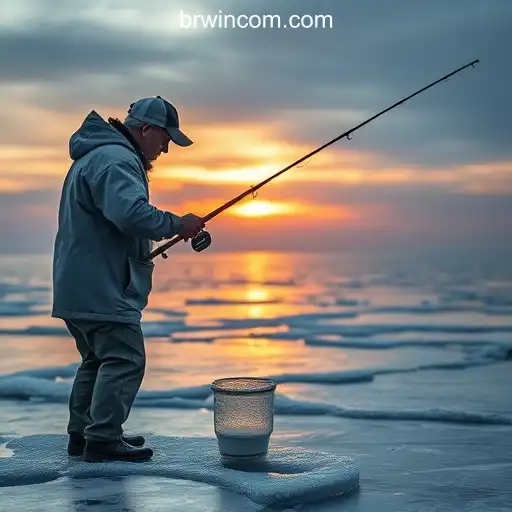
- Ice Fishing: Popular in colder regions, ice fishing involves drilling holes into ice-covered lakes to access fish. Anglers use specialized ice augurs and lightweight equipment to cope with freezing conditions.
Benefits of Fishing
The rewards of fishing are manifold, combining physical, mental, and emotional benefits. The outdoor setting allows for physical activity in a scenic environment, enhancing both cardiovascular health and muscle endurance.
Mental Health: The tranquility of nature and the rhythmic motions of casting and reeling create a meditative experience, reducing stress and promoting mental clarity.
Community and Connection: Fishing often fosters social bonds, creating opportunities for shared experiences and community building. Clubs and tournaments provide a platform to meet fellow enthusiasts, exchange knowledge, and challenge skills.
Conservation and Responsible Practices
Sustainable fishing is critical to preserving aquatic ecosystems. Responsible anglers advocate for catch-and-release practices where appropriate and adherence to local regulations. Conservation efforts are crucial to maintain fish populations and habitats, ensuring future generations can enjoy fishing.
Recognizing the importance of fishery conservation, organizations worldwide work towards preserving biodiversity and promoting sustainable practices. Anglers are encouraged to support such initiatives through participation and advocacy.
Connecting with Technology
The digital age has ushered in platforms that enhance the fishing experience. One such innovation is the emergence of online communities and resources like the BRWIN.com platform-online Slots Brasil #1. These platforms provide a wealth of information on fishing techniques, locations, and gear reviews, connecting anglers with the broader fishing community. They bring together enthusiasts from diverse backgrounds, fostering a vibrant exchange of ideas and experiences.